Jul 25, 2014

Raktachandana - Ratha chandanam


Botanical Name: Pterocarpus santalinus
Sanskrit: Harichandana, Raktachandana, Tilaparni, Valgu, Arka, Kshudrachandana
Hindi: Lalchandan, Rakhta Chandan
Tamil: Senchandanam, Sivappuchandanam, Ratha chandanam
Telugu: Agarugandhamu, Raktachandanamu, Shandanamu,
Malayalam: Patrangam, Raktachandanam, Tilaparnni
Kannada: Agaru, Honne, Kempugandha, Patranga, Raktashandana
Bengali : Lalchandan, Raktachandan
Gujarati: Ratanjali

Description:
Red Sanders-(Pterocarpus Santalinus L.f) belongs to the family of Fabaceae. Is an endangered and endemic taxon in the Eastern Ghats of India. Red Sanders is renowned for its characteristic timber of exquisite color, beauty and superlative technical qualities ranks amongst the finest luxury wood in the world.

Morphology:
Red Sanders is a moderate-sized deciduous tree with clear trunk and dense rounded crown. It attains a height of 10 m and a girth of 0.9–1.5 m under favorable growing conditions. The blackish-brown bark is fissured and resembles crocodile skin. The inner bark, when injured or cut, oozes red colored ‘santolin’ dye. The wood is extremely hard and dark red in color, with a specific gravity of 1.109.

Habit & Habitat:  
A medium sized deciduous tree distributed in Kadapa, Kurnool, Chittoor & Nellore districts in Andhra Pradesh and adjoining areas of  Tamil Nadu.

Common Uses:
It is an astringent and a cooling agent and is used in several skincare preparations. It is used in the treatment of pimples, acne, wrinkles etc. Much used as a perfume for different purposes. The wood is used for making fancy articles and is much carved. It has been used in Ayurvedic medicine as an anti-septic, wound healing agent and anti-acne treatment. A paste of the wood is used as a cooling external application for inflammations and headache.

Medicinal Uses:
A paste of the wood is used in the treatment of pimples, acne, wrinkles etc
A paste of the wood is used to give cooling effect, applied externally for inflammations and head-ache.
It is useful in bilious affections and skin diseases.
The wood is bitter in taste with a flavor, anthelminthic, aphrodisiac, and alexiteric useful in vomiting, thirst, eye diseases, cures diseases of the blood vata and kapha, mental aberrations and ulcers.
The wood is in treating headache, skin diseases, fever, boils and to improve sight.
The wood and fruit is used in treating diaphoretics, bilious infections and chronic dysentery.

Cosmetic Uses:
- A paste of the wood is used in the treatment of pimples, acne, wrinkles etc

- A paste of the wood is used to give cooling effect, applied externally for inflammations and head-ache.

- Removes the marks caused by acne, Pimples and it also removes the skin tan by the sun light. Regular usage gives a fair look and glowing face.

How to apply?
Mix the powder with Rose water or Curd and apply it on face for 15 minutes minimum or even over night and wash it thoroughly with water. Use it twice or thrice in a week to get a better result.

Jul 4, 2014

Kumuda - Venthamarai


Common names: White Lotus, Waterlily
Botanical Name: Nymphaea Alba
Family: Nymphaeaceae
Hindi: Kumuda
Tamil: Venthamarai, Vellambal
Malayalam: Vellambal, Neerambal
Sanskrit: Kumuda
Bengali: Shaluk
Kannada: Kannaidile
Assamese: Nal
Manipuri: Tharo Angouba

Popular Name(s): Tiger Lotus, Wild Pond Lily, Egyptian White Water Lily, Sweet-Scented Pond Lily, Sweet Scented Water Lily, Toad Lily, Pond Lily, Water Lily, Cow Cabbage, Sweet Water Lily, Water Cabbage, Blue Lotus, Blue Water Lily, Sacred Blue Lotus, Blue Lily of the Nile.

Description 
A species of water lily, white lotus is a perennial plant growing to a height of 45 cm. Also known as tiger lotus, it grows in clear, warm, still and slightly acidic waters. The lily pads can be seen floating on water, while the blossoms rise above the water. The flowers are white in color sometimes, with a pink tinge. The leaves vary from green to red-brown, with a number of purple spots. Tiger lotus is native to the Nile and is grown in various parts of East Africa and Southeast Asia. It is often used as an aquarium plant.

Parts used:  Rhizome, flowers

Useful components: Alcaloids, glycosides, resin, tannins

Medicinal use: 
White Lotus is considered to be an astringent, antiseptic, anesthetic, anaphrodisiac and sedative. It can be used in treatment of bronchial congestion, and it can disperse the stagnated mucus from the chest. A decoction made from the root is beneficial in treatment of diarrhea caused by irritable bowel syndrome, and also in treatment of dysentery. White Lotus flowers are considered to reduce sexual drive and to have a soothing and sedative effect on the nervous system. Therefore, they can be used in treatments of insomnia and different sorts of anxieties.

Venthamarai poo choornam a is very effective for management of hypertension and given in the dose of 3 – 5 grams with milk before food twice a day.


Note: Siddha treatment is based on complete physical examination of the patient, Naadi diagnosis, and other diagnostic criteria of the disease. The content given in this article is purely meant for information and education purpose only. Kindly consult a Siddha physician before any sort of self medication.

Jul 3, 2014

Sarsija - Thamarai


Botanical name: Nelumbo nucifera   
Family: Nelumbonaceae (Lotus family)
Synonyms: Nelumbium speciosum

Common name: Lotus, Sacred lotus, East Indian Lotus
Hindi: Kamal, Pundarika, Padma
Sanskrit: Sarsija, Pankeruha, Sharada, Ambuj
Tamil: Chenthaamarai, Tamarai, Ambal, Thamarai
Malayalam: Tamara, Aambal
Manipuri: Thambal
Marathi: Pandkanda, Kamal
Telugu: Tamara, Erra-tamara
Kannada: Tavare-gadde
Bengali: Komol, Padma
Oriya: Padam
Urdu: Nilufer
Assamese: Padam
Gujarati: Motunkamal

Plant name : Thamarai
“The flower of this plant is effective in management of Thamaraga noi (Cardiac ailments)”.

Description
Lotus (Nelumbo nucifera) has been used throughout Egypt, the Middle East, India and China since ancient times, primarily as a food, but also for gastrointestinal and bleeding related disorders. The flowers, seeds, leaves, and rhizomes of the lotus are all edible. The petals of the flower are used as a wrap for foods in Asia and the rhizome is a common ingredient in soups and stir-fry.

The lotus flower has been used as a medicinal herb for generations in Asia. Lotus leaf juices alone are used for diarrhea and sunstroke when mixed with licorice. The flower is used for abdominal cramps, bloody discharges, bleeding gastric ulcers, excessive menstruation and post-partum hemorrhage. The flower stamens of the lotus are used in urinary frequency, premature ejaculation, hemolysis (the breakdown of red blood cells), epistasis (gene interaction) and uterine bleeding.

The fruit is used for agitation and fever. Lotus seed has been shown to lower cholesterol levels and to relax the smooth muscle of the uterus. It has been used for poor digestion, enteritis (inflammation of the small intestine), chronic diarrhea, insomnia, and palpitations. Currently, there is not enough scientific evidence to recommend the use of lotus for any indication.

Actions : Coolant, Nutrient, Expectorant, Cardiac tonic.

Siddha Medicinal Uses :
-          For burning sensation of body Lotus flower can be ground as a paste and applied over the externally. The rhizome paste along with milk can be given internally for increased body heat and burning micturation.
-          For toxic snake bites the Lotus flower can be ground well and given along with water internally at regular intervals.
-          The juice of the flower can be administered for diarrhoea. It is good for Heart too.
-          The decoction of the flower is good for fever due to pitham. It also acts as a Cardiac tonic.
-          The manapagu prepared from Lotus flower can be given for Cough, Bleeding piles, Bloody diarrhoea etc.

Lotus may lower blood sugar levels. Caution is advised in patients with diabetes (high blood sugar) or hypoglycemia (low blood sugar), and in those taking drugs, herbs, or supplements that affect blood sugar. Serum glucose levels may need to be monitored by a qualified healthcare professional, including a pharmacist and medication adjustments may be necessary.

Few adverse effects in humans have been reported for lotus. Lotus may cause flatulence (gas), constipation and other gastrointestinal irritation. Avoid in patients with constipation and stomach distension (swelling).

Dosages: 
After Breakfast and Dinner mix 5grm powder with Honey or boiled with palm jaggery and drink or as advised by the naturopaths

Jun 1, 2014

Satavar - Thanneervittan Kilangu


Satavar - Thanneervittan Kilangu


Botanical Name: Asparagus Racemosus
Family Name: Liliaceae
Common Names: Asparagus, Wild Asparagus, Asparagus Root, Shatavari
Sanskrit: Shatmuli, Satavari 
Hindi: Satavar, Satmuli
Tamil: Thaneervittan Kilangu, Ammaikodi 
Malayalam: Chatavali, Shatavali, Satavari
Telugu: Pilli Gaddalu, Toalb Gaddalu
Gujarati: Ekalkanto, Saatawari, Ekalakanto 
Bengali: Shatamuli, Satamuli
Marathi: Asvel, Shatavari, Shatawarmul, Shatavari
Oriya: Chhotaru
Kannada: Majjige-gedde, Aheru balli 

Shatavari is a climbing plant which grows in low forests all through India. It is mostly the roots of the plant that are used for medicinal purposes. Shatavari has been used in India for thousands of years for its therapeutic and tonic properties. It is an all-round tonic and rejuvenative which can be given to a person with any type, constitution, males or females, youngsters or elders. Indeed, Shatavari is the Universal Rasayana. It has various synonyms like atirasa (very juicy), satpadi (possesses hundreds of roots), suksma patra (has tiny leaves etc).

The plant grows all over India in tropical areas and is found in Himalayas, up to an altitude of 1300-1400 meters. The plant is an armed climber, growing 1-2 meters in length. The leaves are green, shiny, small, and uniform and like pine needles. The flowers tiny, white, in small spikes. The roots are finger-like, clustered, tuberous, 30 cm to 1 meter or more in length and tapering at both ends. The fruits are globose, pulpy berries, purplish black when ripe. The plant flowers in July and fruits in September.

The roots are in nature bitter, sweet, emollient, cooling, nervine, tonic, constipating, opthalimic, anobyne, aphrodisiac. They are in character useful in nervous disorders, dyspepsia, and tumours, scalding of urine, throat infections, tuberclosis, cough bronchitis and for general debility.

Shatavari increases the white blood count and stimulates greatly macrophages which helps to combat their candida. Shatavari also contains various bioflavinoids, and essential vitamin B components, and the essential elements of calcium and zinc.

Introduction: 
Shatavari is actually considered to be the most helpful herb for women as it helps in balancing the female hormonal system. It is the main herbal rejuvenative for women. Shatavari totally nourishes and cleanses the blood and the female reproductive organs, enhancing female fertility. It nourishes the womb and ovum and almost prepares the female organs for pregnancy and prevents threatened miscarriage. It also improves super lactation. Shatavari contains the phyto-estrogens, the precursors of estrogen and is really very useful for women who suffer from low natural estrogen levels as a result of menopause, hysterectomies or oophorectomies.


Shatavari has been mentioned in Ayurvedic texts like the Charak Samhita and Susruta Samhita, and Astanga Samgraha. It is stated that shatavari promotes maternal health and its meticulous use as a galactagogue (enhances breast milk secretion in lactating mothers). Shatavari actually literally means "having a 100 spouses" and ayurvedic texts accurately claim that shatavari strengthens a woman to the point where she is being capable of producing thousands of healthy ovum.

Ayurveda has called Shatavari the Queen of herbs and is the primary herb recommended for female health. Among the three Ayurvedic doshas of Vata, Pitta and Kapha, Shatavari efficiently helps in balancing Pitta Dosha. Shatavari's juice is sweet (madhur) and also in nature bitter (tikta). It is a natural coolant.
Charaka has categorized it as balya promoting strength or a tonic, vaya sthapana – promotes longevity, sukra janana (spermatogenic). Also, he has cited it as a rejuvenative to rasa and mamsa dhatus and mamsavaha srotasa. 

Susruta has mentioned it as sukra sodhana – purifies the sperms or semen. Whereas, it is quoted as vajikara – augments the sexual vigour and quantity of semen (Sarngandhara Samhita). It is also classified as samsamana – neither it aggravates nor it eliminates the doshas from the body, but simply pacifies the aggravated doshas especially, pitta.

Applications / Uses
The roots and leaves are used for medicinal purpose. The plant is used both internally as well as externally. The medicated oil is the best medicament, in vata diseases and in vata – pitta diseases of the head, it is useful for massage. The paste of its fresh leaves is applied on burning sensation of the skin in smallpox and bullae. It strengthens the muscles, alleviates the vata dosha and reduces pain in lumbago, sciatica, inflamed joints and also in paralysis or paresis. 

Internally, Shatavari is used as a cure for various diseases. The fresh juice of its roots with honey, reduces the burning sensation and pain in tumors due to pitta. Shatavari ghrita (ghee) is the best panacea for acid peptic disease (hyper acidity). It is an effective demulcent for the dry and inflamed membranes of the lungs, stomach, kidneys and sexual organs. It is effective for the treatment of gastric and duodenal ulcers, along with hyperacidity. In diarrhea and dysentery associated with bleeding, the medicated milk or ghrita is extremely benevolent. Shatavari also augments the appetite and stimulates the liver. It also increases the quality and quantity of breast milk in nursing mothers, hence Shatavari preparations are traditionally given is postpartum period. It also is anabolic to uterus, hence, useful in uterine hypoplasia in young girls.

Shatavari also increases the urinary output, hence beneficial in urinary stones and Dysurea. It also works well as a rejuvenative, to improve the eyesight when given from prolonged duration. Phala ghrita is one of the well known preparations of Shatavari, which is used as an all round tonic for the uterus. It improves the uterine growth, mitigates dysmenorrheal and menorrhagia, augments the fertility and imparts anabolic properties. Phala ghrita is the formulation designed by an ancient seer – Bharadvaja. 

Shatavari is the main Ayurvedic rejuvenative for the female, as Ashwagandha is for the male, although they have some effect on both sexes. It is an extremely nutritious tonic for women, from menarche to menopause.


Health Benefits of Satavar, Satmuli (Asparagus)
- Asparagus is one of the most significant vegetables, which is known to contain glutathione (GSH), an antioxidant, which is helpful in fighting deadly diseases such as cancer and Alzheimer’s disease.


- Loaded with an abundance of amino acid called asparagine, this herbaceous shoot helps in eliminating wastes out of the body. It is for this reason that some people excrete smelly urine after consuming asparagus.

- When taken in the form of juice, asparagus effectively reduces the acidity in the blood.

- Asparagus also contains a unique phytochemical, which produces anti-inflammatory effects that are highly useful for relieving arthritis and rheumatism.

- Particularly for people who are diabetic, asparagus when taken as a liquid contains healthy minerals that are essential for controlling blood sugar levels.

- Asparagus, when consumed during pregnancy, assists in reducing the risk of birth defects and low birth weight. This is due to the presence of folic acid, calcium and other minerals.

- Rich in potassium, vitamin A, folate and glutathione, asparagus acts an anti-ageing deterrent that protects cells against toxins such as free radicals.

- It is one of the few herbal, containing inulin, which feeds natural bacteria living in the large intestine. This prevents overgrowth of yeast and keeps the digestive system in good health.

- The diuretic effects of asparagus are highly useful in relieving swelling and bloating caused due to premenstrual syndrome in women.
he strong composition of magnesium in asparagus aids in alleviating irritability, fatigue and depression.

The list of different illnesses and conditions, cured by the use of Shatavari is indeed impressive.

1) Infertility

2) Irregularities in ovulation

3) PMS symptoms such as those excessive bleeding, cramps, pain, bloating

4) Menopausal and other post menopausal symptoms

5) Reduced breast milk secretion in the nursing women

6) Amenorrhea, Dysmenorrhea, Leucorrhea and pelvic inflammatory diseases

7) Decrease in the libido in both men and women

Apr 29, 2014

Vacha - Vasambu


Botanical Name: Acorus Calamus
Sanskrit: Vacha, Sadgrantha, Ugragandha, Vayambur, Bach
Tamil: Vasambu
Hindi: Bajai, Gora-bach,Vasa bach
Malayalam: Vayambu
Telugu: Vadaja, Vasa
Kannada: Baje
Marathi: Vekhand
Urdu: Vacha,Bacch
Common Names: Calamus , rat root , sweet flag , sweet myrtle , sweet root , sweet sedge


Overview
Calamus (Acorus Calamus) is a tall green monocot of flowering grass. It is a popular plant with a number of uses and a number of names including beewort, bitter pepper root, flag root, gladdon, myrtle flag, sweet flag, sweet sedge and others. It is known for its root structure or rhizomes and leaves, which have both stimulant and relaxant properties.

The effects of calamus root both energize and reduce anxiety thus why it is considered a powerful balancing herb. It has been used for healing, spiritual, and culinary uses.


History and Use

Native American Indians used Calamus root both for energy and as a spiritual tool. Ancient Egyptians also used Calamus root, believing it to be an aphrodisiac. It was also one of the original ingredients of European absinthe. It was commonly used as a substitute for other herbs and seasoning including ginger and cinnamon since it has sweet, sour, and heat qualities. Calamus root has been used to treat a number of ailments. It also has sedative, laxative, and diuretic properties.

Unlike many herbs used for their healing and spiritual properties, Calamus Root has a very agreeable taste. It is sometimes used as a substitute for ginger or cinnamon when a hot sweet taste is desired. This makes the most common means of ingestion, which is chewing the herb for its effects, much more enjoyable. The results of Calamus root are varied and mainly positive.

The Sanskrit word for Calamus root is "vacha", which means speech. Calamus Root, or Sweetflag, has been used as a brain tonic and to improve memory, as well as, respiratory problems, hysteria, convulsions, coma and epilepsy for over two thousand years. Although it is mainly for relieving flatulence, colic, indigestion, appetite loss, and stomach cramps, it also has a calming effect and was prescribed in traditional medicine for nervous disorders. It helps with circulation and rheumatism when added to a bath, and as a mouth rinse for gum disease and other conditions, even toothaches. The herb is pungent and bitter, with astringent qualities. It is a stimulant, and useful in periods of weakness. Some herbal practitioners claim it even clears the mind and has also believed to be useful as an effective aphrodisiac.

Calamus root is an aromatic stimulant that has been used for centuries in many cultures mainly for digestive complaints. It stimulates and strengthens stomach function, and is said to benefit digestion, increase the appetite and ease dyspepsia also relaxing common stomach problems. The herb is often used to relieve the discomfort of flatulence, as well as check the growth of the bacteria. Calamus Root relieves distended and uncomfortable stomachs, and also treats the intense headaches that are generally related to weak digestion. As an anti-emetic, it eases nausea and specifically treats the dizzy/queasy feeling in the stomach that comes with motion sickness, promptly bringing relief.

The root is also found to be beneficial for throat colds, sore throat, chest colds and head colds. It is an antibacterial and antiviral, as well. It is thought to fight the infection and stimulate the body to help overcome that run down feeling. It is also an effective expectorant that clears nasal and respiratory passages. Calamus has been used for sinus infections, sinus headaches, hay fever, dry coughs, bronchitis and bronchial asthma by eliminating mucus and calming the mind.

Calamus has been used to stimulate the uterus and regulate menstrual flow and has been used in cases of amenorrhea and dysmenorrhea. It has been used as a disinfectant for vaginal infection and discharge, especially after childbirth. If you are pregnant or breastfeeding, it would be best to avoid Calamus root in a form, as it stimulates the uterus and could cause a miscarriage.


Common Uses: 
Used as an anti-anxiety
While Calamus root fights fatigue, it also has a calming effect. Though the two effects would seem to contradict each other, the effect is one of alert relaxation. Users of Calamus root report feeling both emotionally relaxed and ready to face the day.

Laxative and Diuretic
Calamus root has both laxative and diuretic properties, making it useful for increasing urination and relieving constipation.

Counteract the Side Effects of Hallucinogens
A common complaint of hallucinogens is the severity of the side effects. Few hallucinogens are without the side effects of nausea and dizziness. Calamus root has long been used to combat these effects.


Mild Pain Reliever
Calamus root is often chewed to ease the sore throat and run down feeling associated with the cold or flu.


Users of Calamus root report:
Alertness
Feeling more energetic
Feeling less anxiety
Relief from sore throat
Relief from headaches
A decrease in the side effects of hallucinogens

Contraindications:
Pregnant and nursing women should not use Calamus Root Herbal Supplement, as it is considered a uterine stimulant. Overuse (many times the recommended dosage) should be avoided, as it may cause vomiting and further serious problems. Also, it may be harmful if consumed for an extended time period. It is highly recommended that any use of Calamus be conducted only under the care of a qualified health care provider.


Note: Siddha treatment is based on complete physical examination of the patient, Naadi diagnosis, and other diagnostic criteria of the disease. The content given in this article is purely meant for information and education purpose only. Kindly consult a Siddha physician before any sort of self medication.

Apr 14, 2014

Nagaguha - Vellarugu


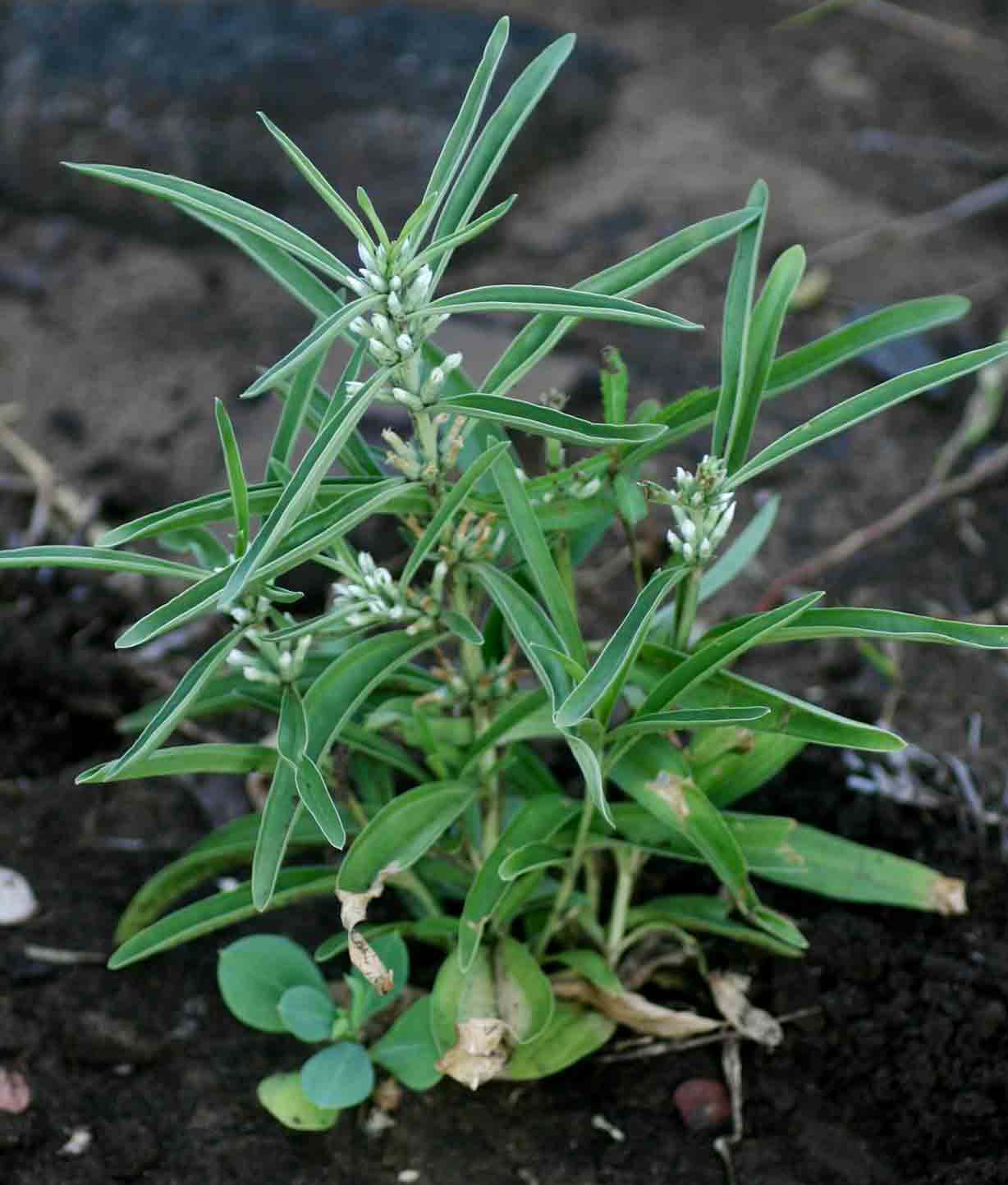
Botanical Name: Enicostema Axillare (Syn:Enicostemma Littorale)
Sanskrit: Nagaguha
Hindi: Chota Chirayata, Nahli, Nawari
Marathi: Kadavinayi
Gujarati: Mamijeva
Kannada: Karibandita
Malayalam: Vellaragu, Vallari
Tamil: Vellarugu
Telugu: Nelagolimidi, Nelagurugudi
                                 
Description:                    
Perennial, glabrous, erect or procumbent herb 16-30 cm high; stem subquadrangular or ubterete. Leaves simple, opposite, sessile, varibale, 2-4 * 0.1-0.5 cm, linear or linear-oblong or elliptic-oblong, or lanceolate, entire, 1 cm long.

Distribution:                  
Allover India at a height of 1500 feet above the sea level
                                 
Medicinal Uses & Benefit:
The plant is bitter,tonic,stomachic and laxative.The whole plant is dried, powdered and given with honey as a blood purifier and in dropsy,rheumatism,abdominal ulcers, hernia,swellings,itches and insect poisoning. It is used as a substitute for chiretta(Swertia Chirayitta). The plant is bitter due to presence of glycosides and ophelic acid. It is acrid, anti inflammatory, antipyretic and liver tonic.


Note: Siddha treatment is based on complete physical examination of the patient, Naadi diagnosis, and other diagnostic criteria of the disease. The content given in this article is purely meant for information and education purpose only. Kindly consult a Siddha physician before any sort of self medication.


Apr 13, 2014

Kalonji - Karunjeerakam


Botanical Name: Nigella Sativa
Sanskrit: Kalonji, Kalajira, Kalajaji
Tamil: Karunjeerakam
Hindi: Kalonji
Kannada: Krishnajeerige
Malayalam: Karinjeerakam
Bengali: Kalojira,
Assamese: Kalzira, Kolazira, Kalo jira
Urdu: Kalaumji

Nigella sativa is an annual flowering plant, native to south and southwest Asia. It grows to 20–30 cm (7.9–11.8 in) tall, with finely divided, linear (but not thread-like) leaves. The flowers are delicate, and usually coloured pale blue and white, with five to ten petals. The fruit is a large and inflated capsule composed of three to seven united follicles, each containing numerous seeds. The seed is used as a spice.

Traditional medicine:
In the Unani system of medicine, black cumin is regarded as a valuable remedy for a number of diseases. In Islamic writing, a hadith narrated by Abu Hurairah says "I heard Allah's Apostle saying, 'There is healing in black seed (haba sowda) for all diseases except death’.

In India the seeds are used as a carminative and stimulant to ease bowel and indigestion problems and are given to treat intestinal worms and nerve defects to reduce flatulence, and induce sweating. Dried pods are sniffed to restore a lost sense of smell.


10 Medicinal Uses & Benefit


1.Nigella Seeds (Kalonji) Benefits for Swelling Eyes 
Boil Nigella Seeds powder in a little amount of water. Wrap it in a cotton cloth and place it on your eyes when it becomes lukewarm. Massage your eyes with it and drop some water on it into your eyes. The best tip for your eyes overall health and improves eyesight effectively.

2.Nigella Seeds (Kalonji) Benefits for Stomach Pain 
Mix 8-10 drops Nigella seeds/Black Cumin (Kalonji) oil in ½ teaspoon Fennel seeds oil and mix it in ½ glass of salted lukewarm water. The most effective and best tip for stomach pain.

3.Nigella Seeds (Kalonji) Benefits for Stomach Ulcer
Make a powder with 50 grams Nigella Seeds (Kalonji), Psyllium Husk 50 grams, Turmeric powder 50 grams and Safaid Musli root powder 50 grams. Keep it a jar and take thrice during the day ½ teaspoon. The best tip to treat naturally for stomach ulcer.

4.Nigella Seeds (Kalonji) Benefits for Stress/Tension 
Add 1 teaspoon Nigella seeds oil in 1 cup warm milk and sip it like tea. Best natural tip to decrease your stress level and tension.

5.Nigella Seeds (Kalonji) Benefits for Skin
This tip is best for all skin problems like freckles/brown spots, pimples and skin dullness. Make a fine powder with 60 grams Nigella seeds (kalonji) mix 100 grams Glycerine and 100 grams Lemon juice in it and make a lotion with it. Keep it in refrigerator. Apply it with your finger tips daily with a little massage and leave it overnight. Your overall skin problems will go within a few days.

ii) Make powder with Nigella Seeds 50 grams and mix 500 grams Honey in it to make a paste, Apply it on your face for 25-30 minutes and wash with normal water. It will make your face skin clean and gorgeous

iii) Mix Nigella seeds powder 1 tablespoon, sesame seeds oil 1 tablespoon and mix nigella seeds oil 1 tablespoon when you want to apply it on your face, Within 7 days your face skin looks like baby soft skin, The best tip for dry skin,

iv) Mix 1 tablespoon Nigella seeds powder in Apple cider vinegar to make a thick paste and apply it on your face. The best tip to remove and get rid faster from Face Acne.

6. Nigella Seeds (Kalonji) Benefits for Men’s Health 
To strengthen body muscles and to improve health. Mix 2 drops of Nigella seeds (kalonji) oil, pure Honey 1 tablespoon and 2 drops of Nutmeg (jaifal) oil. Massage with it daily for 2 weeks best for effective and positive results.

7. Nigella Seeds (Kalonji) Benefits for Weak Brain
Mix 5 drops of Nigella seeds oil in 2 tablespoons pure Butter or 2 tablespoons of fresh milk cream and add sugar to taste in it. A gift for those who wants to boost the memory with strong brain.

8.Nigella Seeds (Kalonji) Benefits for Diabetes 
Use it once in a week to control your diabetes or sugar level just mix 5 tablespoons juice Bitter Gourd with 5 drops of Nigella seed oil.

9.Nigella Seeds (Kalonji) Benefits for Menstrual Cramp
Before starting your periods and if you feel too much pain in your lower abdomen just take half spoon of seeds of Nigella (kalonji) with water. Use it continuously for 3-4 days positively help to get rid from this pain.

10.Nigella Seeds (Kalonji) Benefits to Decrease Belly Fats
Take 250 grams Nigella seeds (kalonji), Black cumin 250 grams and 250 grams Brimstone (gandhak). Grind all the ingredients and keep them in a jar. Daily take 2 grams in the morning with an empty stomach and 2 grams in the evening with lukewarm water. It reduces extra belly fats especially after child birth.


Note: Siddha treatment is based on complete physical examination of the patient, Naadi diagnosis, and other diagnostic criteria of the disease. The content given in this article is purely meant for information and education purpose only. Kindly consult a Siddha physician before any sort of self medication.


Kantakaranj - Kalarchikai


Botanical Name: Caesalpinia bonduc
Common Name: Bonduc Fruit, Fever Nut, Nicker Nut
Synonyms: Caesalpinia Crista
Sanskrit: Latakaranja, Putikaranja, Pootikaranja, Kantaki Karanja
Hindi: Karanja, Karanjuaa, Kaantaa Karanj
Tamil: Kazharchikkaai, Kazharchikai, Kalachikai, Kalarchikai
Bengali: Kaantaa Karanjaa, Naataa, Naataa Karanjaa
Gujarati: Kaanchakaa, Kaanka, Kachka
Kannada: Gajjike Kaayi, Gajkai
Malayalam: Kazhanji, Kainji, Kazhanjikkuru
Marathi: Saagar gotaa, Gajarghotaa, Gaajagaa
Oriya: Kotokolejaa
Telugu: Gachchakaay
Urdu: Akitmakit


Unani: Karanjwaa


Description:
Caesalpinia bonduc, commonly known as Gray Nicker, is a species of flowering plant in the senna family (Family: Fabaceae) is an important medicinal plant, which is widely distributed in the tropical and subtropical regions of Asia and the Caribbean. In Bangladesh, this plant is abundant in forests and village thickets of Dhaka and North Bengal. The plant is known as Nata in Bengali and fever nut or nicker nut in English. Different parts of the plant have extensive uses in folk medicines for the treatment of a variety of diseases. This plant is an extensive, shrubby, wild, perennial climber. It is distributed throughout tropical parts of India. For medicinal purpose, Seeds, nuts, root, bark, and leaves are used. The various part of plant exhibits antiperiodic, antispasmodic, anthelmintic and febrifuge properties.

In Ayurveda Latakaranja refers to plant Caesalpinia bonduc. In Ayurveda Latakaranj beej are used in treatment variety of diseases such as swelling, piles, cough, nausea, tumour, skin diseases, diabetes, gout, etc. The seeds are taken in dose of 1-3 grams for medicinal purpose.

Medicinal Benefits:
Caesalpinia bonducella is used in traditional medicine system for treatment of wide variety of ailments. The seeds of plant has anthelmintic, fever reducing, abortion stimulating, menstrual flow improving, urine stimulating, adaptogenic, antimicrobial, muscle contractile and abdominal pain relieving properties. They also checks nausea and vomiting when used in combination with clove or black pepper.

The seeds are stimulant to the uterus, improve the menstrual discharge in oligomenorrhea and reduce the pain in lower abdominal region. The skin of the seed is extremely beneficial in the treatment of leucorrhea.

For fever, the seed powder is mixed with equal part black pepper powder. The prepared mix powder is taken in dose of 15-30 grains by adults and 3-4 grains by children.

In liver disorders, seed powder is administered with goat milk.

In case of abdominal pain 2-3 seeds of plant are crushed to make powder and administered orally.

The seed powder reduces blood sugar level and taken with water for treatment of diabetes.

Seed and long pepper powders with honey has good expectorant effect and given in cold, cough and respiratory illness.

An oil prepared from seeds and castor oil is applied externally on hydrocele.

The seeds are stimulant to the uterus, improve the menstrual discharge in oligomenorrhea and reduce the pain in lower abdominal region.

Gachhakaya is the best medication for malarial fever.

The skin of the seed being astringent is beneficial as a medicament for diarrhea, dysentery and colitis.

The leaves fried in ghee, eliminate vata and relieve constipation, hence valuable in piles.

During postpartum period, the abdominal pain is eliminated with the roasted seed powder, asafetida, ghee and little amount of salt. The seeds powder, given with milk, controls the diarrhea.


The skin of the seed being astringent is beneficial as a medicament for diarrhea, dysentery and colitis.

General Usage:
Take 3gram powder after breakfast mixing with Pepper & drink after filtering or as advised by the Naturopaths

Note: Siddha treatment is based on complete physical examination of the patient, Naadi diagnosis, and other diagnostic criteria of the disease. The content given in this article is purely meant for information and education purpose only. Kindly consult a Siddha physician before any sort of self medication.

Apr 12, 2014

Kasni - Kasini


Botanical Name: Cichorium Intybus
Sanskrit: Kasni
Hindi: Kasni, Hinduba
Tamil: Kasini
Marathi: Kachani
Malayalam: Chikkari
Telugu: Kasini, Kasini vittulu
Kannada: Chikory
Urdu: Kasni, Tukme-e-kasni, Barg-e-kasni
Common names: Chicory, Blue sailors, Coffeeweed

Habitat: Cultivated throughout India

Description
Chicory is a bushy perennial herb with blue or lavender flowers. The roots are baked, ground, and used as a coffee substitute and additive in the plant's Mediterranean region of origin. It is grown in complete darkness, to keep new leaves tender and pale. The plant species is native to Europe, from where it was transported to other parts of the world, and grows in abundance there. Today, the herb is found growing wild in the fields of India and also in the temperate zones of the world. Fully grown chicory herb reach up to a height of about 3 to more than 5 feet. Commercially, the plant is widely cultivated throughout India, as the roasted root of the herb serves as an additive in coffee.

Chicory seeds, leaves and root have carminative and cordial properties and are useful as a brain tonic and for headache, asthma and bilious vomiting. It is an acclaimed hepatoprotective and, is used in hepatic enlargement, sluggishness, jaundice, fever, vomiting and abdominal pain. It cleanses the urinary tract.

Chicory can lower pulse rate and reduce cholesterol levels. It has cholagogue and anti inflammatory properties and is useful in rheumatic condition and gout. Strengthens the liver and checks bilious enlargements of the spleen with general dropsy. Contains 45-60% inulin, which can lower levels of blood cholesterol.

Women who suffer from premenstrual syndrome (PMS) may find that regular use of chicory root as a bitter and a liver tonic may assist in maintaining hormone balance and lessening the symptoms of PMS.

Chicory also supports the body’s ability to absorb calcium, a nutrient that helps build and maintain strong teeth and bones.

The leaves are rather bitter, especially when the plants are flowering. The leaves are often blanched by excluding light, either by removing all the leaves and then earthing up the new growth, or by covering the plant with a bucket or something similar. Whilst this greatly reduces any bitterness, there is also a corresponding loss of vitamins and minerals. The blanched leaves are often used in winter salads (they are known as chicons) and are also cooked. The unblanched leaves are much less bitter in winter and make an excellent addition to salads at this time of year. A nutritional analysis of the leaves is available.

Flowers are rather bitter and root is said to be an ideal food for diabetics because of its inulin content. Inulin is a starch that cannot be digested by humans, it tends to pass straight through the digestive system and is therefore unlikely to be of use to a diabetic. However, the inulin can be used to make a sweetener that is suitable for diabetics to use. Chicory-root is free of harmful ingredients, and is essentially a concentrated combination of three sugars (pentose, levulose and dextrose) along with taraxarcine (the bitter principle of dandelion). It is especially important as source of levulose.


Medicinal uses & Benefits of Chicory

-Bruised leaves of chicory are often used for the treatment of inflammations and can be applied over swellings. They are also used for the treatment of headaches and provide relief from arthritic pains and swellings.

-Regular and frequent use of chicory roots, in the form of liver tonic, is found to be beneficial for women suffering from premenstrual syndrome (PMS). It helps by maintaining a balance in the hormone level of the body and alleviating the symptoms associated with the condition.

-Consumption of the herb, as a “bitter” salad consisting of sorrel, chicory and dandelion, helps to improve the liver functions and is believed to discourage the growth of Candida.

-One of the major functions of chicory is to increase the body’s ability to absorb calcium. This mineral is very essential to maintain strong teeth and healthy skeletal system.

-Two fibers, raftilin inulin and raftilose oligofructose, present in the herb are fermented by the bacteria in the large intestine, increasing the body’s ability to absorb calcium and certain other minerals.

-Therapeutically, the herb is very important for the proper functioning of the urinary system, as it helps to detoxify and cleanse the urinary tract.

-The herb is also used as a mild laxative agent and helps to treat children affected by constipation and other digestive conditions.

-Supplements of chicory, when taken in the diet, also aid in the proper metabolism of cholesterol in the body.

-Apart from the effects mentioned above, the herb is also taken internally, for loss of appetite, jaundice, gallstones, gout, and rheumatism.


Dosages:
Morning and evening before food,take 5gram powder with honey or with water


Note: Siddha treatment is based on complete physical examination of the patient, Naadi diagnosis, and other diagnostic criteria of the disease. The content given in this article is purely meant for information and education purpose only. Kindly consult a Siddha physician before any sort of self medication.

Guduchi - Seendhil kodi


Botanical Name: Tinospora Cordifolia
Sanskrit: Guduchi, Amrutavalli ,
Hindi: Geloy, Gurcha
Bengali: Gulancha,Palo
Tamil: Shindilakodi, Seendhil kodi
Kannada: Amruta balli
Malayalam: Amruthu, Chittamruthu
Telugu: Tippa-teega
Gujarati: Galac, Garo
Marathi: Guduchi 
Oriya: Guluchi
Punjabi:  Gilo

Parts Used : Stem, leaves

Tinospora cordifolia is a shrub that is native to India. Its root, stems, and leaves are used in Ayurvedic medicine in the name of Guduchi . It is a tall climbing shrub which is known to possess a number of wonderful therapeutic values through its use. This medicinal herb is a health rejuvenator which is widely known for its effectivity in enhancing natural immunity to fight against a number of illnesses such as fever, jaundice, skin diseases, constipation, tuberculosis, and leprosy. It is a blood purifier and general debility enhancer.

Effect on Tridosha :Pacifies all the three Doshas and maintain their balance with each other i.e. why it is said to be having Rasayana character; besides it find important place in the herbs useful in management of diseases having Tridoshic origin.when taken with Ghruta (Indian clarified butter) it balances Vata, with Guda (Jaggery) Pitta and with honey the Kapha.

Medicinal uses & Benefits of Guduchi- All parts of Guduchi plant are used for various medicinal purposes. Patients suffering from diabetes can benefit immensely by using leaves of this plant. The leaves are collected, washed and then dried in shade for a couple of days. It is then powdered to a fine consistency and taken in the mornings and evenings. A teaspoonful of this powder in a glass of water would be the recommended dosage.

-The herb accords longevity, enhances memory, improves health, and bestows youth, betters complexion, voice, energy and luster of the skin.

-It is helpful in treating digestive ailments such as hyperacidity, colitis, worm infestations, loss of appetite, abdominal pain, excessive thirst, and vomiting and even liver disorders like hepatitis.

-It helps in remedying ailments like raktapitta, anemia, cardiac debility, diabetes, sexual debility and splenic disorders.

-It benefits general weakness, dyspepsia, impotency, dysentery, constipation, general debility,

-Guduchi helps in getting rid of Urinary Stone and reduces Blood urea level.

-The decoction of guduchi and sunthi is a good combination for treating gout and rheumatic disorders.

-Guduchi , when taken with cow’s milk, is effective in combating leucorrhea.

-The root of guduchi is a strong emetic and used for bowel obstruction.

Actions according to Ayurveda:
Vaya sthapana- Guduchi increases longevity
Daha prashamana- Guduchi alleviates excessive thirst
Trishna nigrahana- Guduchi alleviates burning sensation
Stanya shodhana- Guduchi purifies the breast milk
Triptighna- Guduchi alleviates anorexia making a person to feel hungry
Rasayani- Rejuvenator
Samgrahini- It has the tendency to absorb the liquid from the gastric waste, leaving it to normal consistency
Balya- Guduchi increases strength
Agni deepani- Guduchi ignites digestive fire
Valee palita nashini- Guduchi delays the signs of aging
Medhya- Enhances grasping power, memory and recollection ability.

This is an herb that can be useful as a part of our daily diet.

Caution:
Diabetic patients are advised to use guduchi with caution, since it can lower blood sugar levels. In case you are about to undergo a surgery, stop consuming guduchi two weeks beforehand, since it can interfere with blood sugar control during the surgery.

It is better to avoid guduchi during pregnancy and breastfeeding.


Note: Siddha treatment is based on complete physical examination of the patient, Naadi diagnosis, and other diagnostic criteria of the disease. The content given in this article is purely meant for information and education purpose only. Kindly consult a Siddha physician before any sort of self medication.